 Hey fellow screenwriters! Are you ready for another year of petrifying “submit” clicks? Yep, it’s that most wonderful time of the year, again.
If you haven’t done the search for what deadlines are approaching, let me share what I’ve learned. Here are 10 of the more prominent competitions:
The one I think all screenwriters dream of winning is the prestigious Nicholl Fellowship, which is for features only. The early deadline is March 7 ($45). I’d also recommend following them on Facebook as they share reader comments throughout the competition. It’s always fun to wonder if that lovely review is about your work.
The Austin Film Festival is also garnering a reputation for its screenwriting competition in both feature (with the added perk of being genre specific) and teleplay (including specs) categories. The early deadline is March 31 ($45). You can follow them on Twitter.
PAGE International is already open and the regular deadline is fast approaching – February 17 ($49). This is for features only, but they’ve also branched out into being genre specific as well. They’re on both Facebook and Twitter if you’re interested in keeping up with the latest.
I entered my pilot in Scriptapalooza‘s TV competition, which reopens April 15, but the feature category, again, has been accepting since the beginning of the year. The regular deadline is March 10 ($55). You can follow them on both Facebook and Twitter, but they also have a mailing list that will keep you current.
I may have entered my pilot into this one, it’s all sort of a blur at the moment, so I have to double check. How terrible is that?! Script Pipeline offers a number of competitions to choose from, such as their First Look and Great Idea (both TV and feature) contests, in addition to the TV and feature competitions – which share the same date and fee for their early entry, March 1 ($50). They also have a mailing list and are on all social media.
Finish Line is another competition that offers both feature and TV categories, and has received positive endorsement from the film community. Their early deadline is, again, fast approaching – February 17 ($40), but if you’re like me, procrastinating on that final polish/rewrite, a more “reasonable” regular deadline is April 28 ($45). You can follow them on Twitter.
Screencraft not only offers valuable information via their blog, they have a wonderful setup in their competition department – it’s genre specific! The deadlines are scattered throughout the year, so I would highly recommend joining the mailing list to stay up to date. Currently they are accepting submissions for Sci-fi and Fantasy features. Early deadline is February 16 ($39). They’re on all social media as well.
Final Draft just announced that they’ll be ready to accept submissions for 2017’s Big Break starting February 22. They have both feature and TV categories, but the entry fee section has not been updated on their site yet (early fee last year was $40). And of course, they’re on all social media too.
BlueCat is another site I recommend following for their useful advice via their blog, in addition to their newsletter and social media accounts. Their competition is open for features, shorts, TV, and plays. The early deadline is March 1 and fees vary depending on the entry. Features – $45 Shorts – $35 Pilots – $40 Plays – $30
Finally, there is the Sundance Institute‘s Screenwriters Lab which is not open yet for submissions for 2018, but if you have a script that is Sundance Film Festival material, get it ready! Last year the application period was from March 15 – May 3. I would love to take part in the Lab, but sadly, I don’t think any of my material is small budget. 😉
So get those screenplays “submission season ready” and let’s go after our dreams! Happy Writing!
 When I find a writing opportunity, I like to share.


 Clearing out my email again this week, I came across a few articles I wanted to share, but none of them really corresponded to the other, so I decided to pick one and run with it.
 eventually lose it. It’s our burden – brilliance at the wrong time.
 The final checklist in this series from
 On Tuesday I posted a
  I came across an old save from a website called
  While reading On Writing by Stephen King at the beginning of the year, I made notes, wherever was convenient at that particular moment – things I wanted to remember. I like getting a resource messy – highlighting passages, underlying things, and making notes in the margins because the book is a tool, and although I felt that way about On Writing, I couldn’t force myself to mark up it’s pages.
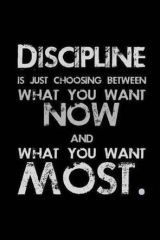 I wanted to be…better, in all aspects of my life. So, I decided to mix things up and create for myself a new schedule that would lead me to the things I wanted. I wanted to get fit, so I’ve made it a goal to work out every other day. So far, I’ve been pretty good about it, and I do feel better. I wanted to read more, since last year I didn’t read a single book, and I’m close to finishing no#5. I wanted to write more, and I’m on a third rewrite of my tv pilot, I’ve written more fanfic, and I’ve taken on more Writing Prompt Challenges.
 Life gets busy. It’s easy to get sidetracked. Sometimes it’s comforting to get lost in TV and gaming, I should know, but in order to reach our goals and follow our dreams, we have to be relentless in that pursuit.


 Some time back in July, I wrote the first part of this topic. You can read it
 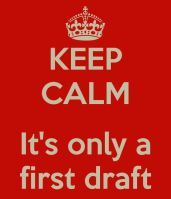 Tired of dragging my heels, I finally made it a point to write the first draft, regardless of how much information I was still lacking, and this was a huge step forward for me. I’m one of those who painstakingly writes each word. I tend to rewrite while I’m writing, and this causes a lot of lag time. I wanted to pound out the first draft as quickly as possible (I think I wrote it in 3-4 days), then I would know what I was missing and how to proceed in my research and decision making. So here is a suggestion for something I have never done before.
 My last insight is this. Fantasy and sci-fi, in particular, allow for a number of freedoms in their stories, but it also offers writers the opportunity to highlight social and political issues under this guise. Just another topic to consider while you’re world building. Is there something going on in the world that you want to talk about? Setting your story against an alien/fantasy backdrop may offer you the freedom to share your insight. This is something I learned years ago, when I decided I didn’t want my first story to be just a fluff piece. I utilize my fantasy and sci-fi worlds to highlight the current state of humanity, the deterioration of the environment, and the pros and cons in the advancement of technology.
 A Writer's Discrepant Memoirs and Other Tales