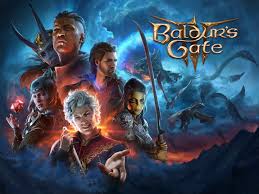
Rambling Review : Baldur’s Gate 3 Part II

The positives of this game cannot be overstated. It’s an amazing, beautiful, fully realized wonder of achievement, and it’s why it has become one of the best games I’ve ever played, if not the best.

I know. I know.

I’m into a second playthrough and am still discovering all sorts of new things, which is why my Pros List aka Part I was so long. As wonderful as this game is, it’s not for everyone – as previously mentioned it’s a graphic turn-based RPG, rated M due to the depictions of violence, the coarse language and bloodshed, in addition to nudity and sexual content – and it does have a few things that could be considered “cons”.

Story

There is a lot of story. Like more than you can even begin to imagine for a video game. Baldur’s Gate is based on a legacy that goes back some 50 years, so there are years of lore and land and creatures and history, so it’s understandable that one playthrough won’t give you everything in the way of story.

While the 3 Act structure will give you an overarching story with major plot points, if you don’t explore every nook and cranny, talk to every NPC or even your companions, return to camp often, or read all the letters, books, and plaques in the world, there’s quite a bit of content you’ll miss. The completionist in me found it frustrating to fail certain checks that may have led to finding secret rooms, treasure, or encouraging certain outcomes, which could also derail me from learning more.

There’s also the extra story content based on your character. If you play with a certain background or class, you’ll get specific dialogue options that will enhance your experience. If you play as an origin character, you’ll also get more of their back story, and then there’s the Dark Urge storyline which is its own thing entirely, so you have lots of options, which leads to con #2 –

Choice

If you are easily overwhelmed by a great deal of content, the choices available to you in BG3 could be considered a con. I struggled with this during my first playthrough. I wanted to know the reaction to each choice in dialogue. If I failed a check, I would reload in the hopes the dice would roll in my favor and I would catch whatever I missed. I would swap out party members hoping one of them had a higher characteristic like intelligence or survival that would lead to a better outcome. This can stall your experience because you may find yourself bogged down by trying to see every eventuality.

I soon realized I had to forego discovering everything the first time around because I was losing a sense of urgency due to the diminishing momentum. Besides I knew I was going to play the game again.

Starting with the character creator which at first seems limited, quickly devolves into chaos with the sheer volume of options for your character. There are a dozen races and a dozen backgrounds, and after a recent update, new subclasses with new skills to choose from. There’s skin tone, eye colors (that in other games seemed irrelevant because you never see your character that close), and hairstyles that allow for highlights, so choosing how dark you want those pink streaks woven through your green braid are all possible.

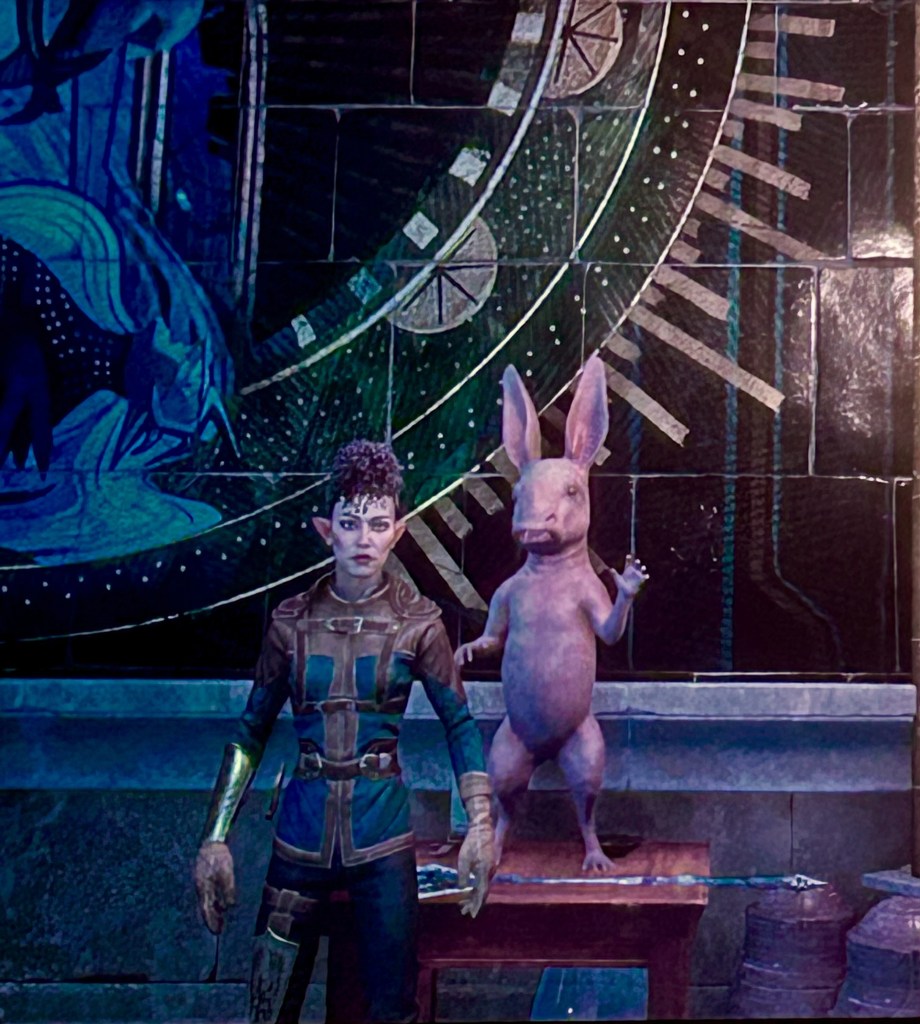
Am I going to match her tattoos? Uh, yeah.

And after all that, you get to create a second character, a Guardian. You may end up with a little creation fatigue.

Will you play as a do-gooder? Or are you out for yourself? Are you religious or political? Who do you want to romance? How will you sway your companions’ fates? This is just the tip of the iceberg. While I was only overwhelmed initially because I wanted to know everything immediately, The Sis pointed out that that’s the storyteller and gamer in me. When I play a game, I want the details clearly-ish laid out for me by the end of the first run. BG3 is not your typical game. It has layers, and you have to get comfortable in the unknowing…which leads to con #3 –

Mechanics

If you’ve played video games for any length of time, some things are innate. The same cannot be said for Baldur’s Gate. There are so many things you can do, many are things you wouldn’t even think of, and while that’s amazing, there’s no guide to really tell you what’s possible. You just have to try things and see if they work. It’s not just about strategy, it’s discovering you can kind of do whatever you want. There’s both a fear and a freedom in such knowledge. The fear is that a lot of the games you’ve played previously have just laid things out for you, nice and neat. They haven’t let you be imaginative, and now you feel a bit dense when it comes to playing this game.

The freedom is exactly that…anything is possible.
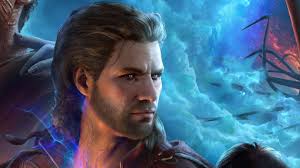
I’ll share a couple bonehead discoveries I made in my second playthrough, so far. One, if you use a character with a higher persuasion skill than your own, you can get better deals with merchants. Gale, yes, Gale, the wizard gets better prices than the charming, I feel almost too persuasive Astarion, and shockingly, way better than my own character. So change out who’s leading the party, and choose to interact with merchants or other plot driven characters to see the varying results.
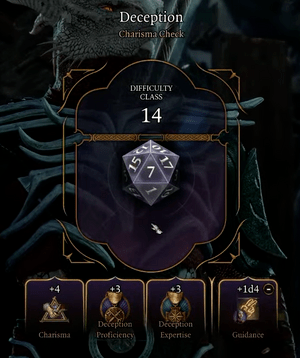
Two, when trying to pass a certain check, either persuasion or a knowledge of history or religion, if your character has a bonus, such as guidance, you need to not only bring up the bonus, but also select it. It will become highlighted, but I did not know this. The screen will show “add bonus”, so I would add it, but you may have more than one choice, so you need to choose – I never did. This can change a lot of the outcomes of your choices. ((face palm))

There are a couple of other things, like using the Scroll of Revivify – was not made clear how it works, so it took a few tries – or the Fly skill – couldn’t figure it out the first time around.

I’m sure I’ll discover more. I also discovered that The Sis and I did different things, so talking with another player has led to learning more about the options available, or how to use certain skills, etc.

To be clear, I don’t classify any of these as a negative, personally. In fact, it only enhances the experience knowing that each playthough may lead to new discoveries, and that’s awesome. I work with someone who has attempted multiple playthroughs but found themselves overwhelmed by the choices, or even a lack of backstory for their character, but is now using the honor mode (only one save available) and playing as origin character, Wyll, yes, that Wyll, and finally making progress.

All of the choices, all of the story content is meant to enhance your gaming experience. The freedom to do so many things allows for the imagination to run wild, and while maybe not the right game for everyone, a spectacular game nonetheless.

Have you played Baldur’s Gate 3? Did I miss any pros or cons you found particularly interesting? Let’s chat!

Happy Gaming!
Rambling Review – Baldur’s Gate 3 – Part I

The time has come…to talk about one of the best games ever made*:

Baldur’s Gate 3 (This is a link to the Honest Game Trailer video that will give you a great deal of insight with a sense of humor. It’s also a little spoilery, so be forewarned.)

By now, I would imagine, even if you’re not a gamer, you’ve heard about this 2023 Game of the Year winner. It took the (gaming) world by storm. On the other hand, it took The Sis and I a little while to get on board, only because we wanted the hard copy, which wasn’t available the first year, and which also meant that we had to invest in a new Xbox along with the game. A hefty, unprepared for, purchase.

We worked with people who continued to talk it up and we had to avoid so many things that may have spoiled this marvel for us for ever so long. Eventually, we took the plunge.

Worth every penny.

*But be aware, this game isn’t for everyone. It’s a graphic turn-based RPG, rated M due to the depictions of violence, the coarse language and bloodshed, in addition to nudity and sexual content.

Based on the table top game, Dungeons and Dragons, that in the 80s started a worldwide panic because our parents were led to believe that it was a tool of the devil – fun fact, look it up – earlier versions of the video game are considered great in their own right, but the third game in the series is unlike anything before it.

Dungeons and Dragons was first published in the early 70s. If you’re roughly my age, you may have played or knew of people who did. They were nerds or geeks or outcasts. Or so the consensus deemed them. The phrase Dungeon Master is from this game. If you watched Stranger Things, it’s the entire basis of the series. And if you watched the extremely well done 2023 film, Dungeons and Dragons: Honor Among Thieves, you’ll have some understanding of the world.

It’s medieval fantasy with magic, politics, religion, and a world ending kind of event you must thwart. All things I enjoy in not only my gaming (one reason I love RPGs), but my writing, movie and tv watching, and reading as well. I knew I’d enjoy it, but I didn’t expect to consider it the best game I’ve ever played, but here we are.

Now, you may be wondering, “Do you love it more than Dragon Age?” And my answer would be, “Even in the shadow of Dragon Age: The Veilguard, the Dragon Age Universe still has my heart, always will, but this game is a feat of wonder and possibilities.”

Now, among the endless positives this game entails, there are a few negatives, so as I’ve done with my other video game reviews, let’s break it down.

Let’s list the Positives first.

Character Creator

If you’ve read any of my previous video game reviews, you might recall that I love to create new characters in a well designed character creator. Baldur’s has a wonderful system with a ton of choices. Almost too many, if you’re easily overwhelmed.

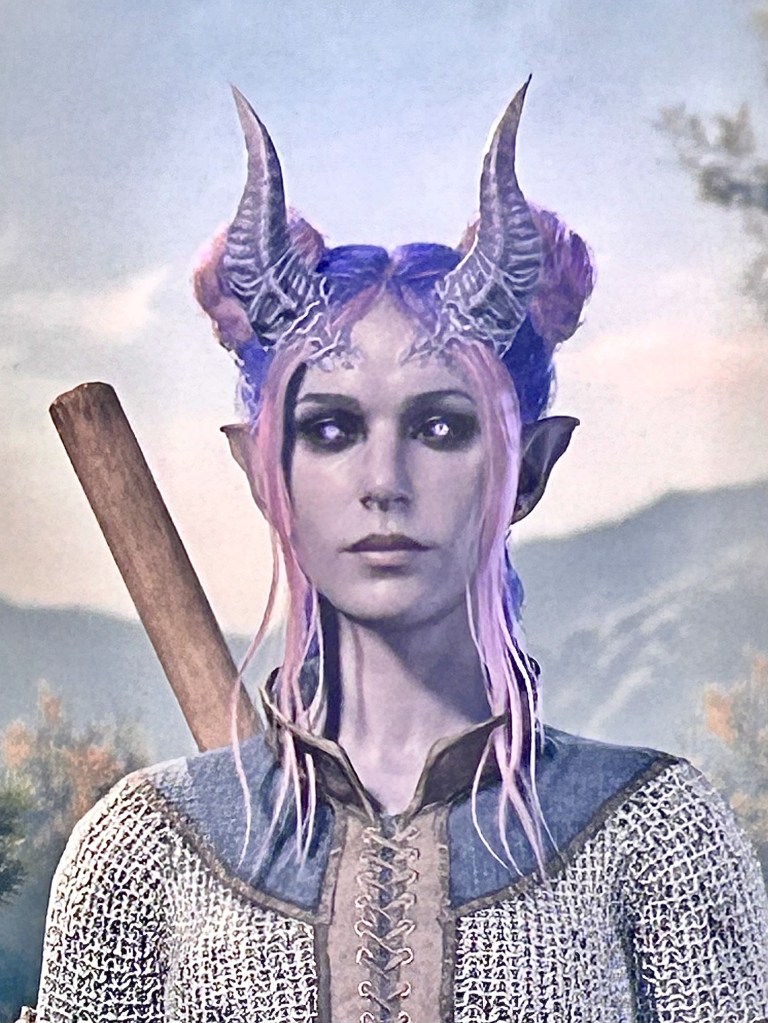
There are eleven races to choose from, any sex you prefer. There are a dozen classes to begin with as well as a dozen backgrounds. Not only can you create a unique character (my elven wizard, Bryn is here for reference, as is my tiefling cleric, Peri – both adorable, if I may so), should you choose, you can play as an “origin” character – any of the companions that you’ll recruit along the way, giving you so many avenues to explore.

And after all those painstaking choices, you get the opportunity to create a second character, a Guardian before venturing forth. You may take less time and effort to make a distinctive Guardian after the hours you just spent creating the other.

Once you decide what your protagonist will look like, and what they’ll be capable of, you will quickly start making decisions as to the type of morality and belief system they hold dear. Will you play as a kind, all-round do-gooder? Or perhaps you’re out to make some coin? Another option, the Dark Urge is an entirely different choice in the character creator that will allow you to give in to your dark side and play full evil, or perhaps you will try to fight against your nature.

Right off the bat, before you’ve stepped into the world, you discover that one playthrough will not give you a full picture of what the developers at Larian have made.

Story & Lore

The story of Baldur’s Gate 3 is told in three distinct acts, and there’s a lot of story within them. From what I’ve learned, there’s a lot of cut content as well, meaning the game could’ve been even bigger. Offhand, I think I clocked in around 180 hrs, and I didn’t do everything, while The Sis was over 200. Yeah, it’s that kind of game.

You, the protagonist, along with so many others in the world, have been infected by a parasite. And not just any parasite, an Illithid or Mind Flayer tadpole. The tadpole is used as a means of reproduction, for the parasite will transform the host into a Mind Flayer, a tentacled humanoid creature that consumes brains.

They are considered a great evil, a hive mind subservient to an Elder Brain that controls all Mind Flayers linked to it. They’ve wiped out and enslaved civilizations.

Not wanting to change, you find others that were infected and band together in an effort to remove the parasite and avoid the transformation. Henceforth your journey begins. This is just the tip of the story iceberg. There are different people to save, hags to fight, places to visit, camps to destroy, an entire land to liberate, and so much more…or not. You are given a lot of choices to bend the world to your will.

Companions

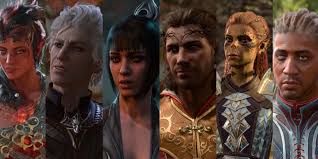
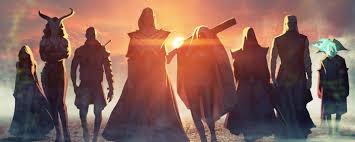
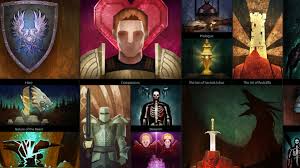
These are among some of the most interesting people I have ever tried to save the world with. I adore (almost) all of them. They come from varied backgrounds, with unique perspectives, their own agendas, and wonderful character arcs (plural because there are so many choices to be made). In order of the picture above, there is Karlach, who despite being betrayed and having to fight for survival for many years, is a cinnamon roll and a loyal friend. Then there’s Astarion, who is among one of my favorite characters ever invented. He has a tortured background, but depending on your treatment of him can be changed in a number of ways.

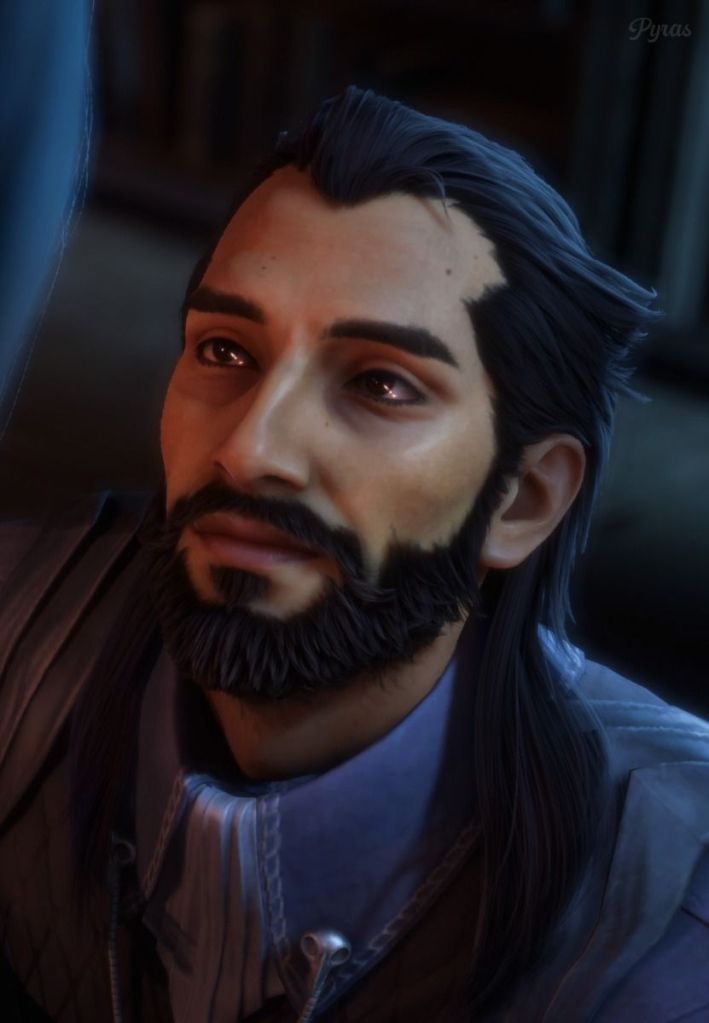
Shadowheart also has a dark past and is a devoted cleric in service to her goddess, but with a change in perspective can be swayed to thinking about life differently. Gale is a wizard who once had the love of the goddess of magic, herself. After a magical mishap, he has spent time alone, so he’s adorkably awkward, but well meaning, if a bit haughty.

Lae’zel is from a warrior race that eons ago rose up against the Mind Flayers. She is a hard-edged character that can become one of your closest allies. Wyll is a do-gooder type. He has made tough decisions to save people and suffered great consequences because of it. Although he’s absolutely the type of character I would normally adore, for some reason, I can’t get behind him or truly care about his cause. Sorry, Wyll.

There are a handful of other companions you can recruit along the way, some by the nature of your choices, such as Halsin, Jaheira, Minsc, and Minthara. Some of your choices may also lead to some of your party members leaving your company permanently, which will give you an entirely different playthrough as their dialogue, story arcs and quests will no longer be available.

Romance

Within moments of meeting Astarion, I was immediately drawn to him. I mean, look at him. His voice actor, Neil Newbon is extraordinary, and he’s just such fun character that there was no way I wasn’t going to romance him. And I started, although it took some persuasion on my character’s part because she’s a goody goody, and he’s sort of turned off by that, initially.

And then I met Gale. Oh, Gale. Eventually, I had to make a choice. I couldn’t keep them both, sadly. Because of the type of character I was playing, Gale made more sense for her. His voice actor, Tim Downie, is magical (pun intended) as well. His voice is rich and soothing, and often times reassuring.

Peri, on the other hand, is going to make that sultry man love her!

The writers did a wonderful job creating these romances. There is a great deal of dialogue, there are tons of cut scenes, and there are choices you don’t expect to have to or get to make over the course of the game’s timeline.

The romances do not have restrictions based on sex or race. You can romance any of the origin characters. There are also opportunities for “encounters” with other characters along the way. It’s a fully realized world, sometimes with interesting, surprising, and NSFW details.

Other Characters

This is a bit of a spoilery section, and I don’t want to do that to you, should you decide to play, but needless to say, there are some well written, superbly acted, interesting side characters you’ll meet along the way, like Aylin, Isobel, and Orin, just to name a few.

Soundtrack

As with film, video game music sets the tone, it sometimes warns you of danger, or enhances the romance. Music is a big part of the experience, and composer Borislav Slavov has created some truly beautiful and inspiring pieces with this soundtrack. In an Act I side quest, you encounter harpies singing a luring song. I hummed that tune for days afterward. After meeting the bard, Alfira, she sang an original tune that I couldn’t get out of my head for weeks. The Sis, after hours of replay, brought the song, The Power to the top of her most played songs of the year within a few short months. And then there’s Raphael’s Final Act. It’s stellar. The album has 43 songs, some of which are alternate versions of others, and there are so many standouts. In addition to the above, there’s Twisted Force, Bard Dance, Down By the River, and I Want to Live.

Give it a listen. You won’t be disappointed.

Graphics

It’s a beautiful game. What else needs to be said? The world is richly designed. There’s so much detail every where you look, and not just in the environment, but also in the fabrics, the armor, the spell casting. If your character has a blessing, you may glow with an aura, or should you find yourself encumbered, you’re surrounded in a red glow. While it’s not completely open world, there’s a great deal to look at, explore, and discover, and you’ll wonder at how the game doesn’t crash.

Mechanics

Whatever you want to do in this world, you can pretty much do it. Want to talk to every NPC? Almost every single character in the game is available to interact with, and pretty much every single one of them has a unique name. Want to open a crate to check for loot? You can open all the crates and all the jars. Want to take a painting off the wall? Go ahead. Want to open every door, jump (nearly) everywhere, steal any and all things within grabbing distance? Sure, why not. Want to talk to the animals, shape shift, pass through dimensions? There are potions and spells for that. Want to push things over cliffs, put boxes in boxes, sneak attack or try to talk your way out of a fight. Give it a go.

D&D is reliant on the roll of the dice. You may have heard of a Natural 20 which is awesome, or if you roll a 1 you’re doomed, and this system leads to a number of outcomes. You use the dice to persuade or deceive, pass intelligence or knowledge checks. The game mechanics are unlike most other games I’ve played, and should a certain outcome ruin your chances at plot point, the developers created a contingency for the major ones. You’ll get a second chance, which is just genius.

Okay. This is a long enough ramble as to why the game is amazing, the con post will be much shorter because there’s really not much to say.

Happy Gaming!

Rambling Review – Dragon Age: The Veilguard Part III – The Pros

I apparently had a lot more to say about the negatives of this game than I initially thought. I apologize for the long Con post, and try as I might, I couldn’t make it shorter. I think I edited that post like 20 times.

Yeah.

Just a quick side note, I forgot to mention a character I was certain would be included in the new game. In the short story compilation, Tevinter Nights, there was a story about the Antivan Crows, and the house that one of the fans’ favorites comes from, Zevran. I looked everywhere, kept an ear open, and they only offered us a whisper of him because of his actions in game 1. ((sigh))

So let’s move on to the positives, of which I also found many. I’ll try to be more succinct this time around.**

Soundtrack

Ahead of the game’s release, the main theme was accessible for a listen, and I liked it upon the first play. I’ve enjoyed all the soundtracks for the Dragon Age series, and this one had the added benefit of being co-written by one of my favorite composers, Hans Zimmer. You can hear his influence on all the tracks, and it makes for an enjoyable listen.

Side note, I had the pleasure of seeing and hearing Hans Zimmer live a few months ago. If you’re a fan of his music, I would definitely encourage going to his concert. It’s an amazing experience.

Character Creator

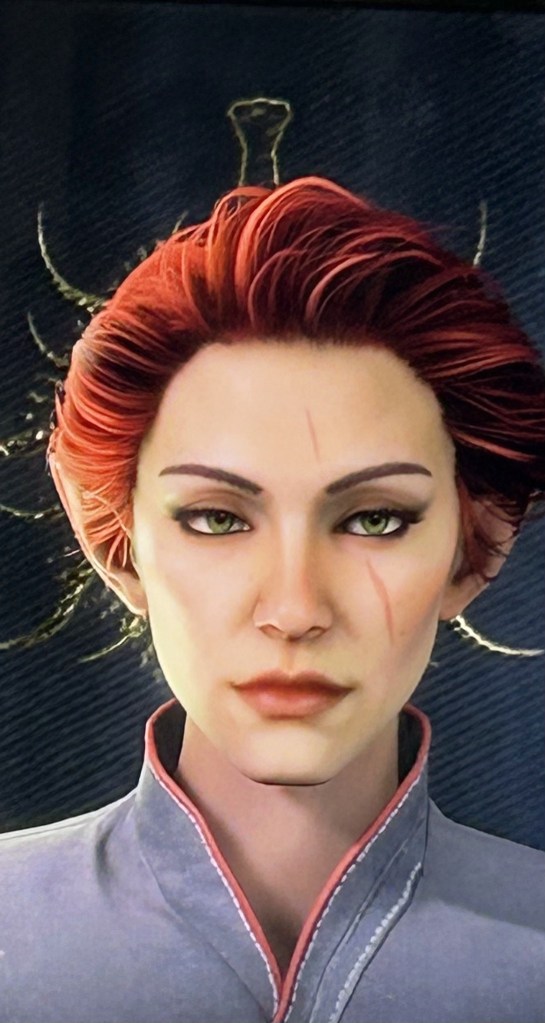
I like a good character creator. I enjoy making different characters and exploring all the options available, and The Veilguard’s is pretty good with the variety of choices – from hair to makeup, scars to tattoos, and vitiligo to heterochromia. This time around they included some looong hairstyles, and the movement in-game is quite a feat of technology. Hair moves like real hair, and I found myself in awe of it often. I also liked that in the creator they offered an environment/background adjustment to see how your character would look before you finalized the decision. This may not seem like a big deal, but when choosing certain colors, especially with makeup, stark light, or dimly lit areas may cause the colors to look quite different than you imagined.

Thankfully, they returned with the Mirror of Transformation that used to be only accessible at the Black Emporium. It is now at camp, so that should you wish to change anything, a hairstyle as time passes, or maybe your character’s eyes are a little too close or too far apart, you can make adjustments any time without having to leave home.

Different Factions

I was delighted to learn that the protagonist would come from one of six backgrounds – the Grey Wardens, the Antivan Crows, the Mourn Watch, the Lords of Fortune, the Shadow Dragons, or the Veil Jumpers. I didn’t give it a second thought. I get to be a Warden again! As I mentioned in the Cons post, no matter which background you choose, you will be temporarily exiled from your group because of a noble action you took prior to the game’s start, but I like that interactions and specific dialogue options are available to you given your affiliation.

I liked playing as a Warden given the plot of the game and how much is relevant to that faction, in particular. The Sis is playing as a member of the Mourn Watch, a group we had only heard of previously. Also, each of our companions is from one of these factions, so interactions between them and with our protagonist offers more insight.

Spell Casting

Given a choice, I will always choose to play as a mage first. I like magic. Although, now thinking about it, my first ever Dragon Age character was a dual wielder…huh. Well, knowing what I do now of the Dragon Age world, and how it views mages, I have since chosen to play as one first with each new game.

The spell tree has a vast array of spells to choose from, many different from the previous games, and depending on your background choice, or the kind of mage you want to be, there are three different routes to take in order to grow your power. The graphics are beautifully designed and fun to see in action, and this time around combos with your companions are available to deal more damage.

New Companions

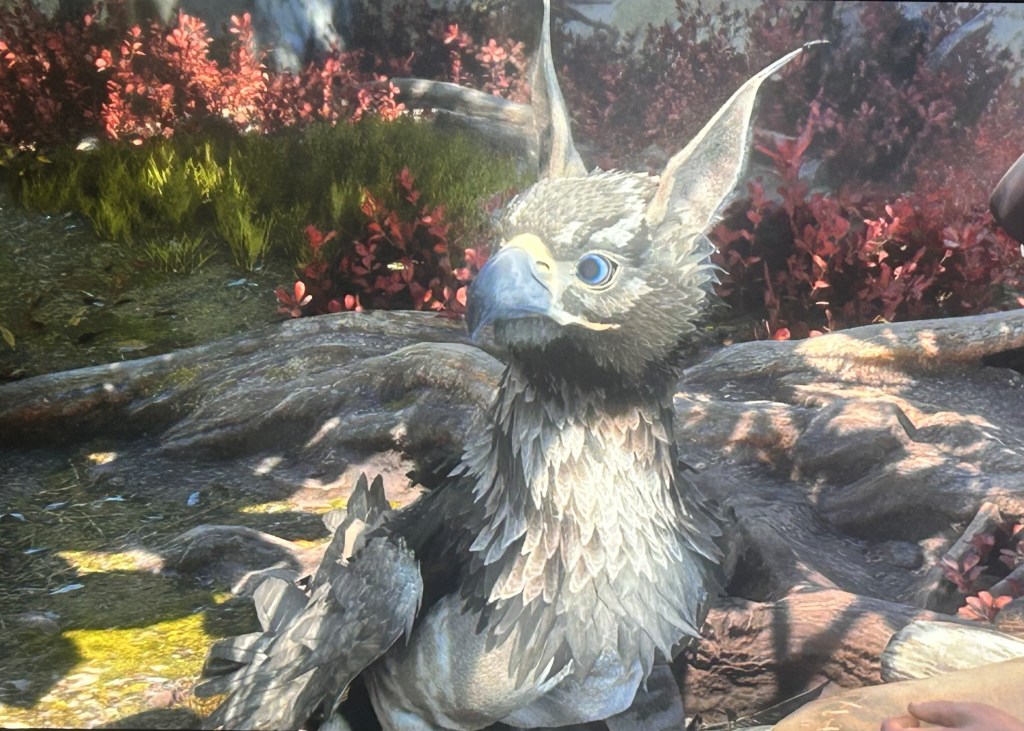
Since the first game, there are always companions you love, you sort of loathe, and some you kind of ignore. This time is no different. I ended up liking characters I didn’t expect, but the best addition was that some of our companions had their own companions. Assan (–> this adorable little nugget) can be played with, hugged, and booped, and you can play rock, paper, scissors with Manfred and they both must be defended at all costs.

Graphics

As I mentioned, the spell casting had lovely graphics, and without spoilers, Lucanis has an ability that allows him to sprout wings and they are beautiful. Locations and in-world items and features all look amazing and it made exploring quite enjoyable.

Gift Giving

In all of the Dragon Age games, finding meaningful gifts to give your companions is a sweet side quest to incur favor. This sometimes helps with the companions that generally don’t agree with your actions and choices, or it can hasten a potential love interest’s favor to advance the romance. What I appreciated this time is that the gifts you give are physically represented in each companion’s quarters, so when you visit, you can see the gift on display.

New Locations

Since the beginning, we’ve heard reference to a number of other countries in the world of Thedas and now we finally get to see them. Most of our companions in each game are from other places, and through them, we learn a little of each country’s culture and history. This game allowed us to visit distant lands and people, and there was some lovely design, each with their own aesthetic.

*Downside, the locations are not fully open world. Oddly, as part of the hand holding of the story, you know, for the kid gamers, some places were closed off until the story progressed to a certain point, and then those restricted areas would become available to explore. Even near the end of the game, maybe given some choices I made, or a missed opportunity, some of those areas were still closed to me. Huh? While this happened in previous games too, sometimes, it was glaringly obvious in game 4.

Romance developments

I was a little torn between two characters to romance, and when the choice needed to be made, I found it interesting that the companion I didn’t choose found love with another character. I won’t spoil it. There are also other companions who find romance with each other, and this is a nice detail that I like that they added because it’s more true to life. People confined to a specific group for a length of time tend to like others in that circle.

*Teeny downside, they removed the racial or sexual orientation preferences they had enacted in Inquisition. Previously, some companions liked only female elves, or only men of any race, but now, everyone is bi and likes everyone. Not exactly a con, but feels like a step backwards.

Armor and Weapons

The addition of tons of choices for both armor and weapons based on the factions we have been introduced to is a great side quest as you keep an eye out for those items as you explore the world. You can buy pieces or find them in chests, and most of the designs are interesting and beautiful and they add an extra layer of detail to the game. A little side note, if you love an armor set or weapon, but another offers better stats, like “hide helmet” you can use the armor or weapon aesthetic you like visually while the better option hides beneath.

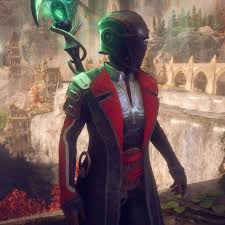
I wore the pictured armor set, a lot. Commander Shepard’s elite military status in the Mass Effect series represented in Dragon Age gear, uh yeah. I’ll take that. Side note, there was Dragon Age armor introduced way back in ME2, so this armor was overdue.

Story Decisions

There are some interesting choices to be made, so while you can’t make a character hate you, there is an opportunity to harden one companion and make them less trusting of you for some time. You can also influence many of your companions’ story arcs which does allow for some replayability to see how an alternative choice may affect them and the story. Even the Inquisitor, during a conversation, can be swayed in how they may handle Solas when the time comes. Many of the companions have pretty decent story arcs, and they have multiple steps, which continues to garner more favor, so basically, they all love you by the end.

But, near the end, there are a few decisions that have dramatic effect on the story, and after so much hand holding and fluff, it felt like a nod to the earlier dark themes of the previous games. And also, slightly out of place, but I was happy to see them.

Solas’s Character Arc

I am a Solas fan. I think of him as such a tragic figure, and I like how his character was highlighted – his struggles, his loyalty to an old fried, the burden of responsibility held for a thousand years – he’s a deeply rich character. Now, the story didn’t go at all as I expected, and I’m not sure when BioWare decided to change it all up, and despite the lack to wrap up to so many other story lines, thankfully, Solas’s arc got resolution. I was happy for that, at least.

There’s a lot to dislike about Dragon Age: The Veilguard, let’s be honest, but there’s also a bit to like (I didn’t even mention the voice acting and the familiar voices), and there’s more to talk about as well. It’s a divisive game, and considering the extremely long wait for it, it is, sadly, disappointing. I had high hopes, too high, I suppose, and that’s why I, and so many others were disappointed. I love the series. You all know. Tattoos, fan fiction, merch…I’m dedicated.

I will play the game again, as I mentioned, there are some choices you can make that may make alternative playthroughs more interesting, or at least different, but not at the same level of the previous games, which is just disappointing. I don’t have another word, sorry.

What are your thoughts on Dragon Age: The Veilguard or the other DA games, in general? Let’s chat!

Happy Gaming!
*A bit more con even in the pros

**15 rewrites and still too long…thanks for sticking with me!

Rambling Review – Dragon Age: The Veilguard Part II – The Cons

I’ve wanted to work in video games for years. Actually, it’s because of DAO. I just loved it. But I have no idea how games are made, besides the behind the scenes footage I’ve seen. It takes dozens upon dozens of people working in teams to not only write all the amazing characters and dialogue and story, but there are a variety of artists, and voices actors, and engineers, among so many others. I’m in awe of what they do, and in spite of all the negativity The Veilguard received, it’s still an impressive feat of creativity.

But it has its problems. So let’s start with those.

The removal of The Keep.

With game 3, BioWare included an out-of-game device called The Keep. Decisions made in the past two games could be chosen and altered, which in turn would have an effect on world of the new game. I don’t know what it takes to create and implement such a tactic, so when it was revealed that all our previous decisions throughout the three games would no longer be relevant going forward, fans were understandably upset.

We had choice. We picked certain milestone moments, and now those were being retconned and BioWare was instead making the choice of what would be canon and what was important, which apparently, wasn’t much. So many of the previous decisions had little impact on the story and weren’t even referenced.

The introduction of The Protagonist.

In Origins, you’re the Warden, in DA2, you’re Hawke, and DA:I you become the Inquisitor. In all three games, you could befriend or antagonize your companions, and in Inquisition, you could play evil. Offering the player these different choices and outcomes to the world and its inhabitants deepened the experience, and let you choose how you felt like playing. This offered replayability.

With The Veilguard, our new protagonist is “Rook”. BioWare returned to the idea of origin stories and varying races where your character will come from one of the larger factions in this world – the Grey Wardens, the Antivan Crows, the Shadow Dragons, the Mourn Watch, the Lords of Fortune, or a Veiljumper. Their past actions, which are all honorable, btw, lead them to be temporarily dismissed from their order, where Varric, the all ’round fan favorite non-romanceable dwarf, recruits you to help track down the Dread Wolf.

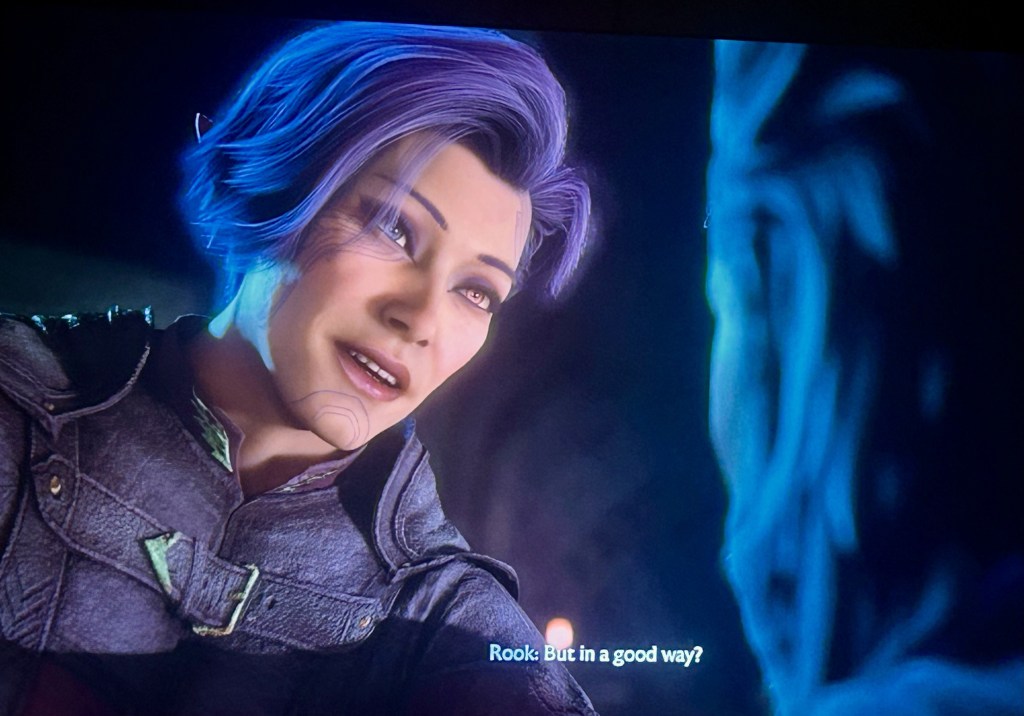
They are only likable. You will only befriend your companions. You can choose different dialogue options between nice, sarcastic-ish, or brave, but none are evil. None are truly confrontational. And that limits the replayability. I chose to play as an elf mage from the Grey Wardens. That’s her, Peri, above. She was sarcastic most of the time.

Then there’s The Story.

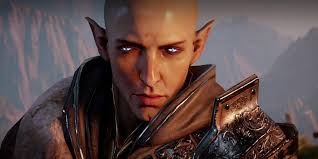
At the end of Inquisition, we learn our companion Solas, is an ancient elf, a virtual god, aka The Dread Wolf, who wants to pull down the Veil that separates the mortal world from the magical one beyond. He erected it, to stop his fellow gods during a civil war, but it sapped the elves of their immortality and left them vulnerable to being overthrown, the loss of their culture, and eventual enslavement. They are among the lowliest of citizens in this world.

Solas wants to save his people, but at the expense of the rest of the world. Before the end of game three, he disappears, and it is up to the Inquisitor and their allies to save or destroy Solas and his plans. So in game 4, we open ten years later on his trail. He is making his move (finally), and we interrupt it, unleashing chaos as the gods he was keeping contained are now released. Wah wah.

The problem is, all the threads that were developed prior to game 4 no longer seem relevant. Elves were leaving in droves at the end of game 3 to join the Dread Wolf’s cause. There is no mention of them in the new game unless they are among the elves now living in their old home of Arlathan Forest, but that’s not clear. Also, the plan seemed more grandiose than just a relocation program.

Finally, there were comics and short stories that introduced new and familiar characters and story ideas, and for the most part, they are all absent from the game. Where are the talking darkspawn? My problem with the story is that they flipped the script and changed the focus on everything we had been building toward.

Where are our old Friends?

Where is Merrill the elven mage who was trying to unlock the secrets of the mirrors known as eluvians from game 2. The mirrors have played a role across all the games, but more predominantly in 3 and 4. Given her race and experience, where is she?

Our first encounter with the Qunari race is a character named Sten in game 1. Within one of the first comic series, he becomes the Arishok, a leader of the Qunari people. Given that the Qunari have now invaded a number of countries beyond their own, I was hoping he’d make an appearance again.

Game 3, Inquisition is a big game with a number of world shaping decisions, including the ability to influence who will be the next head of the church, The Divine. Three of your companions are being considered for this important role. This was a character that absolutely should have made an appearance since the world is pretty much going to sh*t. There has been cause in the past, and it’s been threatened, to call something referred to as Exalted March to quell uprisings and the like, and there’s no time like the present for their intervention.

Your protagonist from game 3, the Inquisitor does make a few appearances, which was absolutely necessary given their relationship with Solas. For my first game 4 PT, my Inky had romanced Solas so I could see what would happen if and when they were reunited. It’s through them we learn that southern Thedas, where we spent the last three games, is falling to all the chaos. There’s too much to get into with the Warden-turned-Hero of Ferelden and the sitting monarch of Ferelden from game 1 because of the choices and the post game title cards that hint at the future to some degree. Whoever you helped make the King or Queen will make a brief appearance in game 3, but with so much happening, and the regions we helped now under threat once again, where are they?

Then there are those like Fenris, an escaped elven slave from Tevinter imbued with lyrium tattoos due to a magister’s experimentation. He got his own comic series, and because he’s an elf, from a country we’re exploring, I expected to see him again. Where are any of the characters from game 3 that offer to help you track Solas down, like Cassandra? The Iron Bull – your own personal Qunari spy? Sera and her network of Red Jennies? Where is Briala, the once-lover and confidante of the Empress of Orlais, who was part of an underground movement to help the elves? So many missed opportunities.

And side note, I would have paid double if I knew I was getting my cinnamon roll, Alistair and my lion, Cullen back for any length of time.

The Dialogue is Weak.

As an inspiring professional writer, this is where I took the most offense. I wish I had some examples, but I remember often thinking, “Really?” They would over explain things, or reiterate a concept too many times, as if we didn’t remember, and this is why I believe it was written for a younger audience.

Where is the Love?

I endured a disappointing, poorly developed romance with the adorable Antivan Crow, Lucanis. He really got short changed. I met the voice actor at SD Comic Con, so cute, and Lucanis’s appearance in one of the short stories included in the book, Tevinter Nights is a highlight, which is why I was initially drawn to him. If you appreciate a slow burn, then this is for you, but compared to the previous games – the conversations that could be had, the butterflies when your love interest looked at your character a certain way…swoon – that didn’t really happen, except like once.

I’ve only pursued the one romance option so far, so I can only speak to how this one was written. I just wish they would have given him a little more attention.

And a side tangent to this, you could always speak to your companions in the previous games whether you were in camp or walking about. In this game, you could only have a conversation, and sometimes, I wouldn’t even call it that, when the companion has an exclamation point over their head to instigate the convo. Why are we taking steps backward?

That’s it? No DLCs?

Given the culmination of four games, I felt this installment ended rather abruptly. So much had happened, so many countries were affected by the events, and once the main threat was neutralized, the game just sort of ended. There was a little indication of how the world was moving on, but it felt shallow. Then it was announced that there wouldn’t be any more. No DLCs, nothing to wrap up loose ends. A BioWare writer “reassured” fans that Dragon Age isn’t dead, because it stays alive through their own work, and continued by saying that Dragon Age belongs to the fans now.

I’m sure that was meant to sound positive, but it left fans with sort of mixed feelings. Years ago, for the third game in the Mass Effect series, BioWare created a DLC specifically as fan service, and now we can’t get some sort of tie-in/wrap up/love letter? It just leaves me feeling slighted by a franchise that I have devoted a lot of time to, in addition to the emotional and financial investment.

Not topic related, but I had to share this.

Okay, and finally, just a few random annoyances: What happened to building our own gear and weapons? What happened to being able to color change not only our, but our companions’ gear? Why don’t our companions take damage? Why don’t we have to use lyrium vials or injury kits? Why do the dragons nose dive at you?

Oh my. That’s a little more “con” than I wanted to share. I usually like to end my posts on a positive note, but this is just to long at this point, so I hope you’ll stay tuned for the final part of this now series, The Pros.

Rambling (Not Quite A) Review (Yet) – Dragon Age: The Veilguard Part I

When the release of the new Dragon Age game was announced, after a long ten year wait, I was both relieved, that it was going to happen in my lifetime, and excited that I might get resolution on some of the story threads that had been woven through the previous three games.

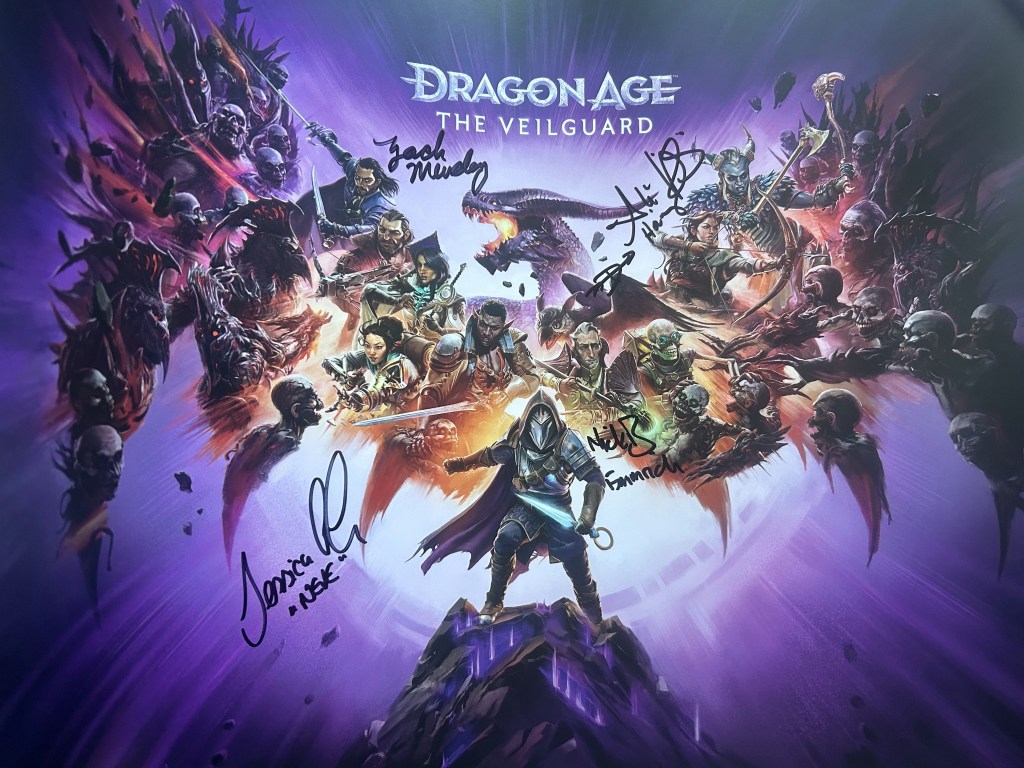
Then, last summer, at San Diego Comic Con, a Dragon Age panel with voice actors from the games was scheduled. The Sis and I made it, met the actors, and got their autographs on an oversized print (see above). They were charming, and kind, and oh so positive about their experience and excited for us to play, that we left feeling hopeful for what was to come.

Fast forward a few months, and nearly everyone with an advance copy unleashed their negativity. I ignored all of it because I really didn’t care what anyone thought, I was always going to play it, and I would have my own opinion without being influenced by people who’s thoughts on it didn’t truly matter to me.

I didn’t buy it right away, which I sort of felt bad about, but I was deep into Baldur’s Gate 3, and I knew, regardless of how BG3 had me smitten, which was completely, I would turn away and play Dragon Age without a second thought. The Sis surprised me with it for Christmas, and after staring at it for a week, I succumbed. I finished my first play through, and I have some thoughts.

Strike that, I have a lot of thoughts. So many in fact, that I think I’m going to have to write this in (at least) two parts.

Sorry.

For those of you who have been with me for a while, you’re well aware of my relationship with the Dragon Age universe. I love it. I love the characters, the story, the lore, and the fandom because they create the most wonderful things. Not only do I have a bit of merch and write fan fiction, I also have a tattoo, and I don’t feel like I’ve even scratched the surface in any of those areas. I always want more.

When the first game, Dragon Age: Origins was released back in 2009, I hadn’t played a video game in years. I had had a lot on my plate for a while, but I saw a commercial for it and I knew.

I had to play it. And I loved it.

It was everything I liked – medieval setting with fantasy elements, dragons, magic, overwhelming odds, an eclectic band of heroes, while also being an RPG (role playing game), where your actions have actual in-world consequences – all the hours spent in this universe…it’s a decision I have never come to regret.

So let’s do a little overview of this world prior to the new game.

In DAO you choose one of six “origin” (human, elf, or dwarf) stories to play as, but no matter which route you chose, you end up being recruited to be part of an old world order known as the Grey Wardens. They are a fabled group, known for their sacrifice in the face of great evil, and in game one, the greatest threat, a Blight, is on the horizon. Hordes of darkspawn, LOTR-like orcs, are lead by an old god-turned dragon known as an archdemon. Only a Warden can kill an archdemon, and by game’s end, there are only a few of you left.

This was the introduction to this world and its people. It was dark and gritty. There were interesting characters, many of whom could be either recruited to your cause, or surprisingly, left for dead at the hands of fate, or your own. There were difficult decisions, and the story left a lasting impression.

Shockingly, on the heels of the success of Origins, Dragon Age 2 was released only two years later to mixed reviews. You play as Hawke, a refugee fleeing the Blight with their family, who becomes a champion to the city of Kirkwall and its people. For most fans, the two big negatives for this game were the lack of choice of race for Hawke, you could only be human, and the reuse of floorplans. Every dungeon was the same design, but honestly, with only two years to create a whole game from scratch, I don’t have much of a problem with it.

We are, again, introduced to some of the best characters, many who continue into game three, and beyond, including Hawke who ended up as the fan favorite protagonist of the DAU. In Act 2, an object is discovered that creates one of the biggest plot points for this world, and a war between the mages and their overseers, the Templars, ensues which, in turn, sparks the events of game three. In one of the DLCs, we are introduced to a creature who is thought of as one of the first ever darkspawn. He plays a major role in game three.

Dragon Age Inquisition was then released just three years later and was an instant hit. It won Game of the Year. It was pretty to look at, it was a fairly large open-ish world, and there was a huge story. The characters continued to be amazing, and the romance aspect was so well done, you actually felt butterflies when you interacted with your love interest. There were political and religious implications, the Grey Wardens were being manipulated and thus had become a threat, and Hawke made an appearance to help.

One of your companions is an elf named Solas. He’s wise and a bit sad, and if you play as a female elf, he’s a romance option. No matter how you play, you learn that Solas is, in fact, an ancient elf, more like a god, known to all from history as The Dread Wolf, who’s responsible for creating a magical barrier that separates the mortal world from a magical one. It’s referred to as the Veil and it plays a part in each game in some manner. Solas is the puppet master of game three, playing out his grand plan from the shadows with the creature from DA2 taking the lead. By the end of Inquisition, a choice is laid out before you, save or destroy your friend, Solas.

So, with ten years in development, expectations for game four, previously known as Dragon Age: The Dread Wolf renamed Dragon Age: The Veilguard were high. Behind the scenes, for years, there was a lot of concern as people who had been with the developer, BioWare for a long time left the company. There seemed to be quite a bit of upheaval, and anyone associated with any of the previous games were no longer present. Updates were few and far between, there were large gaps of silence, and delays continued, bringing expectations down.

And then there was Baldur’s Gate 3.

I feel like it changed the landscape on the whole. It’s unlike anything I’ve ever played, and its release the year before probably had an effect on gamers. We saw what was possible, and now we wanted it, from every game we were going to play going forward, to some degree.

I haven’t read all the details of the behind the scenes drama, but as a long time fan of the series, I can say, without any bias from outside sources, that Dragon Age: The Veilguard is a disappointment.

I know. I’m sad about it.

There are a number of things to like, but they are slightly overshadowed by the negatives. The one that immediately stood out to me is that the game feels like it was designed for a younger audience. There was also a feeling of hand holding, if that a makes sense.

Since there were 15 years between the first and last game, you would think that the developers would have considered their fanbase and their advancing age. Yes, you want to make a game accessible to new fans, and old alike, but by game 4, with a continuing story line, maybe they should have kept that at the forefront of the process.

Okay, so that’s a lot of background, and I barely hinted at an actual review….oh my. I’m changing the name of this post, since it’s not that, not yet.

I hope you’ll stick around for Part Two.

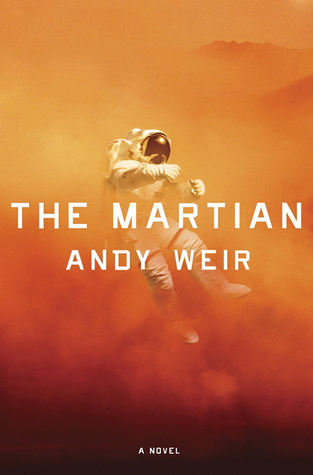
Book Review: The Martian

*Spoiler Free Review*

I enjoy reading and watching stories of a character navigating an extreme situation – being left on Mars, alien invasions, the apocalypse – and hoping for the best, but expecting the worst. I think it has something to do with human nature that we want to see ourselves tested beyond what we think we can endure and overcoming insurmountable obstacles.

What would I do in this situation? What would I do to survive? What would I do to help someone else?

The 2011 novel, The Martian by Andy Weir explores the idea of an astronaut left behind on an unforgivable planet and having to figure out how to survive it…for four years. Mark Watney is hit by debris during a mission on Mars and presumed dead. The crew aborts the mission and Watney is left behind, no dead weight. Luckily he has some tools at his disposal from the mission: a habitat, a couple of rovers, and a bit of food and water. Now he has to learn how he can make it all last the length of time it will take for the subsequent mission to reach the planet and hopefully rescue him.

I enjoyed the continued raising of the stakes. If something could go wrong, it did, and although the science and math of figuring out how to fix things and extend the life of equipment, etc. sometimes went over my head, I didn’t study physics or engineering, reading about how Watney calculated how to solve all the problems sent his way was interesting. Given he only had so many resources at his disposal, he had to rely heavily upon his wits and use those things around him in unexpected ways.

There are, of course, a few things that stood out that bothered me at times. Watney keeps a journal, and although sometimes it comes off a bit juvenile in language and context, he’s alone without anyone to talk to so I felt it was a way of keeping himself amused. I let that slide. Once he’s able to establish contact with NASA, we meet all the people who are working towards bringing him home, among them, Annie, the media relations rep who’s been written as the foul mouthed, short tempered female amidst a slew of calm, brilliant men, and this trope always bothers me. Maybe it’s representative of the misogyny that still exists in these types of environments, because there are a few comments made in regards to the looks of one of the female astronauts on the mission, and that is so irrelevant. And in this near future, can’t we have moved on from this?

My only other complaint is how little we get to know Mark. His journal entries are mostly about fixing things and a few personal notes. We get a little information from the crew and the team at NASA that he’s clever, has a good sense of humor, and the mental fortitude to survive such an ordeal, so while I was rooting for him, I never felt like I knew him, and maybe that’s okay. He’s a fellow human, in a dire situation, and in a bit of a moral quandary. What are we willing to do for one person?

I enjoyed this read. It was quick, it was entertaining, and it was unexpected.

If you have a book to recommend for my 2023 reading challenge, please leave a comment below, or join me on Goodreads so we can share what we enjoy.

Happy Reading!
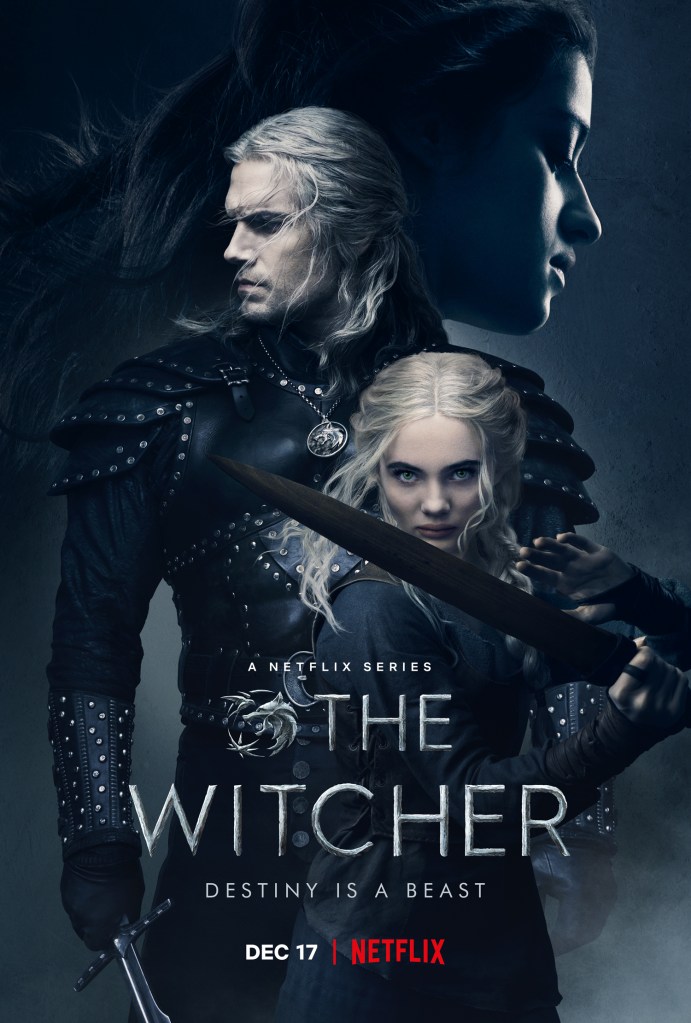
The Problem with The Witcher (TV)

When news that Henry Cavill would be leaving The Witcher by season 4, I had to wonder what had happened to make an actor, who had fought hard for the role of Geralt, quit?

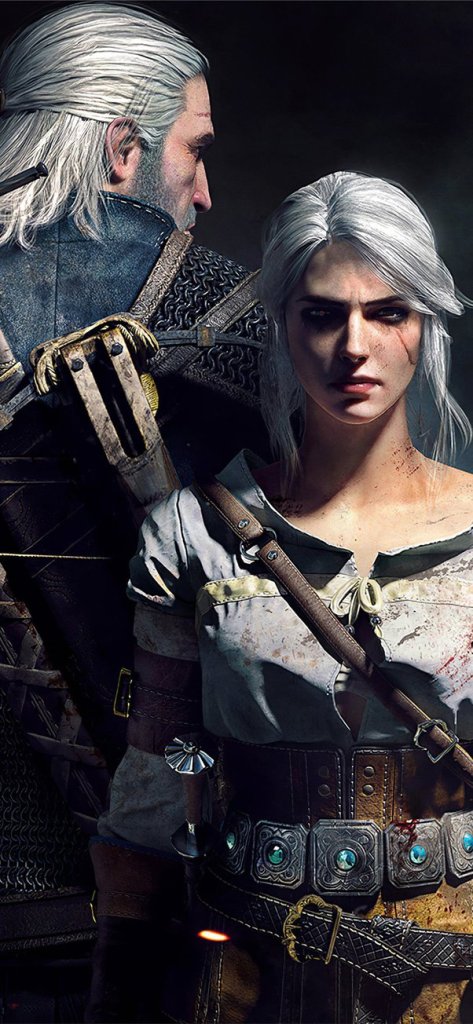
The Witcher 3: Wild Hunt video game is still among the best I’ve played. I wrote a review about it a while back, so you can imagine my skepticism when I initially heard a show was in the works. I’ve read all the books too, but that’s a story for another day. Who could possibly fill Geralt’s shoes? Henry Cavill? That pretty boy? Eh…and then I heard his passion for the character and the story.

Okay. I’ll give him a shot.

And he is by far the best part of the show, because there is quite a bit wrong about it.

So forewarning, I had a lot more to say on this subject than I originally thought I would, so this is a doozy, and I think I could have said more, so…settle in.

When the show was in development, creator Lauren Schmidt Hissrich was making the rounds and I remember hearing her say that the writers’ room would be a mix of people who were fans of the games and/or books, and those who may not be familiar in order to add a different perspective.

With Cavill’s departure, tales of what was actually happening behind the scenes started to come to light. The gossip – none of the writers are any level of fan of the original works. Whether it’s true or not is beside the point because watching the show, as a fan, makes it clear that things were amiss.

Season 1 was hard to follow. The time jumps were confusing, as was the whole set up. I liked Season 2 more, but after I wrote about it, which was literally a line about how it was better than the first season, I became more bothered by some of the ideas presented.

For those of you unfamiliar with The Witcher, the story revolves around the relationship between Geralt, a monster slayer from an old order that serves to protect, and Ciri, a princess who is bound to him by destiny through a quirky old world payment system. I was trying to think of a nice way to say this without spoiling too much for those of you still wanting to read, play, or watch. Yennefer, Triss, and Dandelion aka Jaskier are all integral to the story because of their relationships with the other two, and they all have to traverse a land fraught with war, witch hunts, exiled elves hoping to reclaim their lost territory, monsters, and more.

With so much material to draw from in order to create a lush world full of interesting characters and stories, how did the show go wrong?

So, if the writers room is truly filled with people unfamiliar with the world, that would be square one. Not having an understanding of the large stage that The Witcher moves about is a big problem, and it shows. Game of Thrones is still one of the best shows I ever watched, I just ignore that dreadful final season, but those are BIG books, with tons of history and loads of characters to follow but the introduction to that world, the politics, the looming threat, and so much more were presented pretty spectacularly in the first episode.

This is the template The Witcher tv writers should have followed, to some degree. Geralt is at the center of a great deal, or so he should have been presented.

Not understanding the relationships that develop with all these characters is square two. We learn that Ciri is powerful, but that’s not why Geralt is protecting her. In time, they develop a father-daughter relationship, and that detail is Geralt’s primary motivator. Yennefer, who is barren, takes on the maternal role and loves Ciri like her own. Triss becomes her sister. It is these bonds that drive them to action. Yennefer, for all her bluster, wouldn’t do anything to put Ciri in danger, or do anything that would purposefully hurt Geralt, and actions taken in Season 2 of the show go against this basic premise.

In GoT we follow the Stark family as they move about and this is how we learn about relationships, history, and the plot. While we need context for some of The Witcher’s setup, starting so far back, before any of these characters know one another, divides attention away from everything else.

Let’s round the problems to three. Square number three would be in regards to not highlighting the threats, of which there are many, earlier on. There are the immediate threats, like war and witch hunting, but the greater threat is the Wild Hunt. Like the White Walkers, they are coming, and it should have always been on the peripheral because they are a ticking time bomb.

The reason I chose Game of Thrones for the comparison is because it was a massive success. I am not asking The Witcher to be that, but to emulate the delivery of so much information in a better way. Besides, we’re all looking for the next big thing to be addicted to, and unfortunately, given the circumstances, it’s not going to be this. The fantasy trope is widely established, so much of that setup can be sidestepped, but utilizing the characters differently, to impart the happenings of the world at large, should have been better executed.

Some ideas could have been told in flashback, or just mentioned in conversation to lose all that back and forth in Season 1. In the books, there are repeated references to events unseen, and that could have happened for a number of scenes in the show. We don’t need to see everything to understand what happened and how it affected the characters or the world.

I had high hopes for The Witcher. I think a lot of us did. As I’ve learned, it takes so many lucky breaks to get something made, and it’s disappointing when it just doesn’t work. And if it ends up being true that the writers didn’t care for the material, then not only will that upset fans, like me, it makes me question why they bothered. Writers in Hollywood have a tough enough gig, but with so many opportunities now, I would hope that they would at least want to work on something they like. I know that sounds a bit naive, but I write in certain genres, and would not take a job on a show I wouldn’t watch.

I do not watch procedurals, and even something like Lucifer bored me at times. I actually stopped watching it for a while. I don’t like the solve the case by the end of the show setup, so I would despise working on something like that. Personally. It wouldn’t be satisfying, and while I may need the work, need the credit, etc. I don’t want to find myself unhappy doing the thing that brings me joy. I guess we’ll find out if that holds true.

So what do you think of The Witcher? Do you agree or disagree with how it was presented? Do you have any ideas of how you would have done it differently? Share your thoughts below!

My First Annual Best of List

2022’s Best of Review

Every year I set for myself a number of goals – reading, writing, and watching among them, and I thought, why not share the best of what entertained me this past year.

I am almost always behind the times. I am rarely current on anything, but I figured some of you may be like me and want to know what might still be worth the effort, so I’ve compiled my first “best of” list.

Taking note of the books, graphic novels, tv, films, and video games I enjoyed this year, I realized not all categories had a love option, but there were definitely some standouts.

Books & Graphic Novels

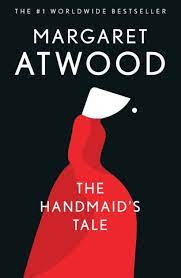
I use Goodreads to keep track of my reading goal, in addition to ratings and what else I’d like to read…eventually. They use a five-star rating system and not one book I read this year received such high marks, although I did have two books that tied with four – The Handmaid’s Tale by Margaret Atwood and The Hitchhiker’s Guide to the Galaxy by Douglas Adams. I’ve included the links to my reviews, if you’re interested. Each are unique in their own way, as is the artwork of Harleen by Stjepan Šejić, my top graphic novel of the year, which, too, earned four stars. Although, it really is a piece of eye candy.

Television

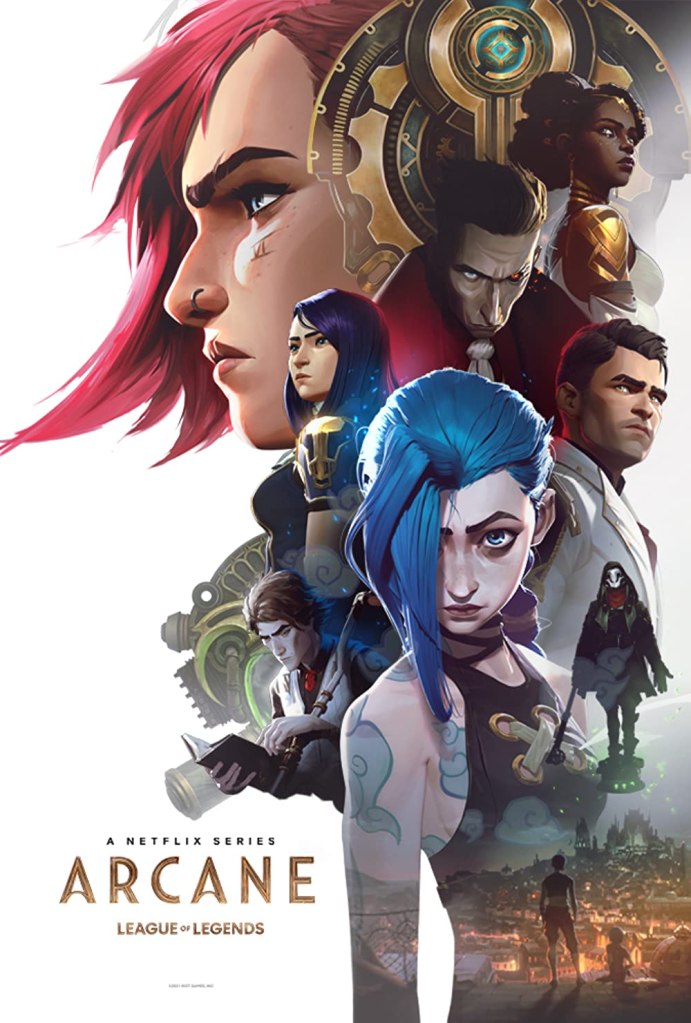
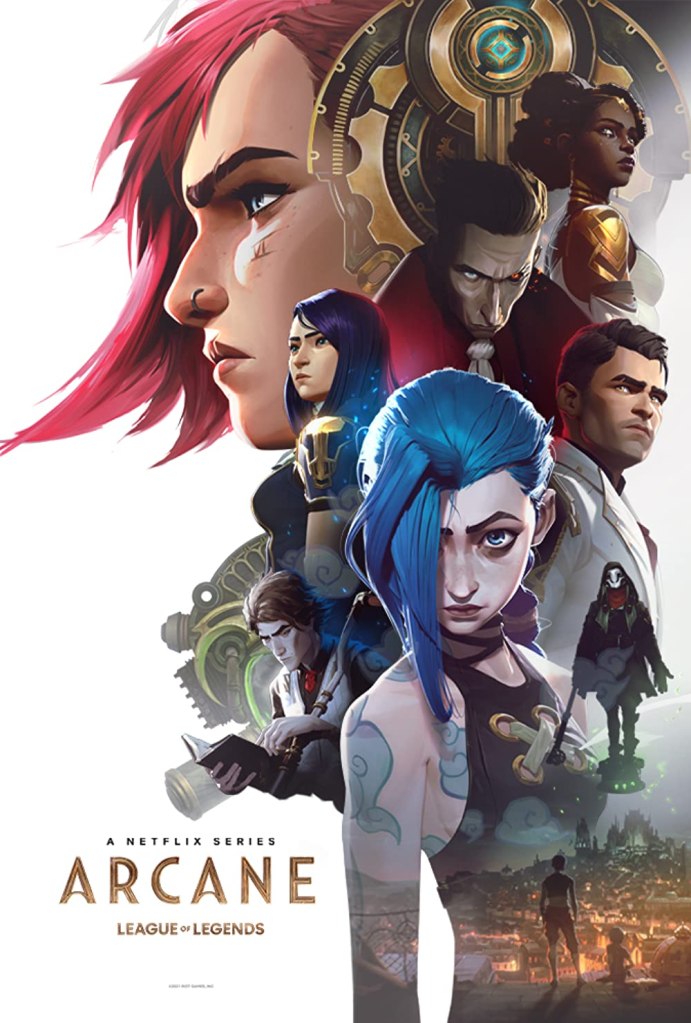
I watched a great deal more television than I anticipated, and I still feel Arcane by Netflix based on the game, League of Legends by Riot Games is the best thing I watched. The story, the characters, and the style are all top notch. This may lead you to wonder then at how a reality show made it on my list.

RuPaul’s Drag Race is one of my favorite things ever, and The Sis and I are longtime fans. All Stars Season 7 was a unique experience in which the cast were all returning winners vying for a chance to be called the Queen of All Queens. Not only was this one of the best shows I watched all year, the cast is stellar, but also this is probably my favorite season of the show of all time.

Movies

I made my movie watching goal and then some. Yay for keeping expectations low(er). My viewings this year were a mix of past and current films, those in my genre, and some just because. While most were middle of the road, disappointing, and/or forgettable, Christopher Nolan’s Interstellar was never going to be counted among those. No surprise there. The surprise was liking it as much as I did. If you’re late to the party, like I usually am, this is definitely still worth the watch. Runner up, Free Guy. I know, it surprised me too.

Video Games

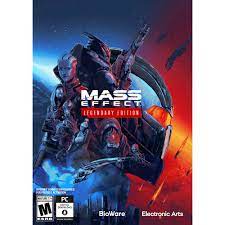
Yes, I invested in the Legendary Edition of Mass Effect. Did I already have the trilogy? Yep. Does EA need more of my money? Sigh. When Dragon Age: Dreadwolf comes out will they get more? You’d better believe it. Mass Effect 2 is still one the best games I’ve played, and the Legendary Edition only made everything better. Streamlined graphics, all the DLCs save one, and it is still a great time. This playthrough I tried my hand at being a Renegade male Shepard who romanced Tali and made some difficult decisions. That’s the fun of this series, there are so many options to explore, and that’s why we keep coming back, no matter what you may think of the ending. 😉

~ * ~

So, there we have it.

There are so many more books, shows, movies, and games to enjoy, so you can imagine how my new year’s lists are already bursting, but I’d be delighted to hear what you enjoyed most this past year. Please share your recommendations!

Escapism or Research

Photo by Anna Tarazevich on Pexels.com

We all remember during lockdown and the US presidential election, how so many of us struggled, while others flourished. There was an outpouring of creativity and community and I was in awe of what could be done when given the chance. I was not one of those people. I was in the first group.

I was not creative. I barely wrote. I couldn’t watch anything “heavy”; there were a lot of bad movies viewed. I developed anxiety.

It was a strange time.

It was the year that will go down in infamy – 2020.

We couldn’t wait for it to go away. So many of us looked to 2021 as a magic reset button.

It was not.

I was determined to make 2022 different. With the new year and new goals, I decided to stop wasting my TV viewing time on things I’ve watched a dozen times over. I would watch those “must see” movies and shows in my genre. I would read the books I “should have” read. I would read more screenplays because you know, that’s what I want to do in life.

I had a new perspective and I wanted to make an impact.

Then, when things felt like they might be getting better, ever so slightly, a megalomaniac chose that moment to make things that much worse.

It’s easy to use TV, movies, and video games as a means of escapism in a world turned on its side. It’s easy to rationalize it all as research when you’re a creative.

It’s a little column A, a little column B.

So, despite the current situation, I thought I’d share the 3 shows I’ve watched so far that I’ve enjoyed if you’re in need of a little escape (or research 😉 ). They’re all available on Netflix.

  • Arcane – By far the best show I’ve watched in some time. The animation is beautiful, the characters are all intriguing, and the world is unique. Considering it took 6 years to make the first season, I’m guessing it will be a long wait for season 2, but it will be worth it.
  • The Witcher Season 2 – I am a big fan of the third installment in the video game series – I even wrote a review about it – so I was always going to watch the show. While season 1 was a little convoluted and hard to follow if you weren’t familiar with the material, they did a great job with the second season.
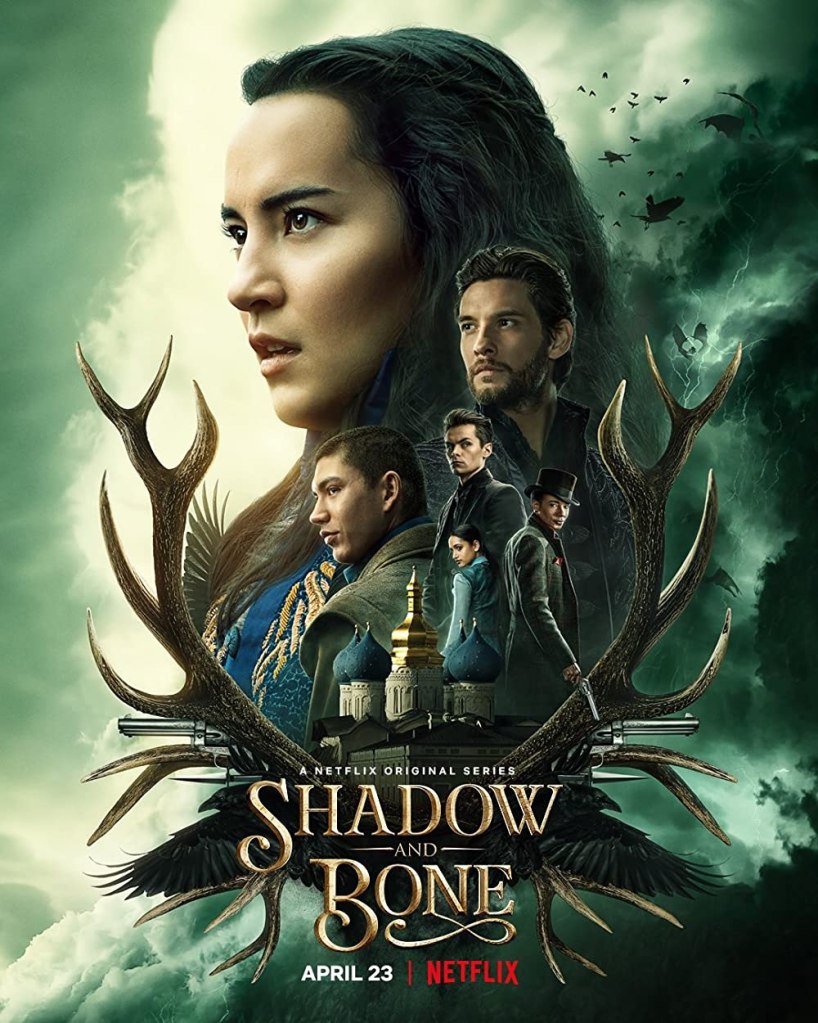
  • Shadow and Bone – This series kept being suggested to me, and I wasn’t sure what to expect. I had not read the books, or even heard of them beforehand. I have since read the first novel. Don’t waste your time, just watch the show. It’s a magical land, actually, they don’t call it magic, and there are some fun characters, and it was better than I thought it would be.

I’ve started a few other shows and if anything else resonates, I’ll be sure to pass it along.

Do you have any shows or movies to recommend? What shouldn’t be missed?

Happy Watching!
Rambling Review: Kiki’s Delivery Service

Warning: Not an overly complex plot to spoil but there will be some spoilers.

I haven’t done a film review in a while, and I was so…confused by the overwhelming response to Kiki’s Delivery Service, a 1989 animated film from Studio Ghibli, that I was compelled to write about it.

Maybe some of it has to do with age. As an adult versus being a preteen, which is when this film should be watched, it spoke to me differently. My introduction to the work of Studio Ghibli and Hayao Miyazaki was Howl’s Moving Castle, a dark and strange film but intriguing and beautifully drawn.  The studio has a glowing reputation, so much so a theme park dedicated to their films is planned for 2022, and after Howl’s I wanted to watch more.  With the disappearance of video rental brick and mortars, finding these imports via streaming services was difficult until HBO Max finally brought them stateside.

Kiki’s Delivery Service is the story of 13 year old Kiki, who according to tradition, must spend a year away from home to train to become a witch.  With her friend-cat, Jiji, Kiki finds herself in a seaside town reminiscent of various European towns set in the 1950s.  Kiki’s story is a coming of age tale, the desire for independence and social acceptance while learning to embrace what makes you special.  While all of this is well and good, the glaring problems overshadowed the simple plot, and I couldn’t get over them the entire movie. 

The film is based on a novel, so maybe some of the issues I have with the story are better explained in the book but this is a film review, so we’ll work with said material.

Kiki is preparing for her yearlong study abroad when the film opens.  Her mother remarks that she hasn’t had time to train her and her father asks her to write to them, if she can. This led me to believe that wherever Kiki was going, she would most likely be busy and ill prepared.  What we learn is that there is no real preparation for Kiki’s training.  There is no guardian awaiting her arrival, no school to attend, not even a mentor or senior witch waiting to teach her their knowledge or skills. She doesn’t have a place to stay lined up, nor even an inkling of an idea as to where she’s going.  She is just sent out into the world under the guise that she will teach herself what she needs to know wherever she ends up.

What?! 

Her only witch talent is flying, and initially she isn’t even very good at that. The only other indication of any special ability is that she can communicate with her cat.

Fate clearly plays a part in her journey as it allows her to find herself in a nice place with kind people who look after her, but I couldn’t get over the fact that her parents sent her away without knowing if she would be okay, for a year, with a sandwich, a bit of pocket money, and the promise that she would write when she could. This was problem number one for me.

Problem number two – how do you train to become a witch without someone to advise you?  How do you discover your talents or abilities without someone challenging you to explore what you’re capable of? She has no teacher, not even a book to use as a reference, and apparently her mother ignored the lessons she was supposed to impart, but sure, go out into the world and be a witch.

Problem number three – she isn’t given any challenges where she might learn another ability, or at least attempt to discover some hidden talent, she just flies on a broom, which is fine, but given the premise of the film, she should be learning more. I understand that this is probably a metaphor for finding your place in the world, just as you are, but I just think that with a character defined as a witch, she should have been more inclined to magic.

She creates her “delivery service”, a business delivering goods around town using her flying in order to survive in this new place. She meets new people who challenge her and introduce her to new things, and as she comes of age, struggling to maintain her confidence and her desire to fit in, which are universal themes, she stumbles and has to ask herself a question that often plagues us – are we good enough?

While I appreciated the themes, I think they could have been executed differently. As a writer, I often wonder how a story could have better approached a topic because it’s a world I want to be a part of. I could not get past the problems which I found to be irresponsible, bordering on dangerous. At one point, Kiki hitchhikes with a woman who lives alone in the woods. What sort of message is that?

Now, I understand this is an animated tale, and fantasy at that, but the audience for which it is intended is impressionable. I may be overly sensitive. While I didn’t hashtag the MeToo movement, I do have a number of my own stories, and sending a child out into the world without any protections, under some misguided pretenses, is just not a story I can get on board with.

Well, that’s a whole lot of ramble and I didn’t even get to a couple of the things I had initially planned on.

Have you watched Kiki’s Delivery Service? How old were you when you watched it? Do you think that makes a difference? Share your thoughts.